VVS VENETIAN · DESIGN GUIDE
A guide to our plaster finishes
Plaster · Tadelakt · Microcement and Limewash. What each finish is, where it belongs, how it wears, and how we build it by hand. Written plainly so homeowners, designers and builders can all specify from the same page.
Part One · Walls & Dry Spaces
What is Venetian plaster?
Italian inspired wall application, applied with a trowel. Depending on the material and the trowel work it can look smooth and shiny, soft and earthy, or thick and rough like real stone. Made from marble and lime, longevity and depth are key uses of Venetian plaster.
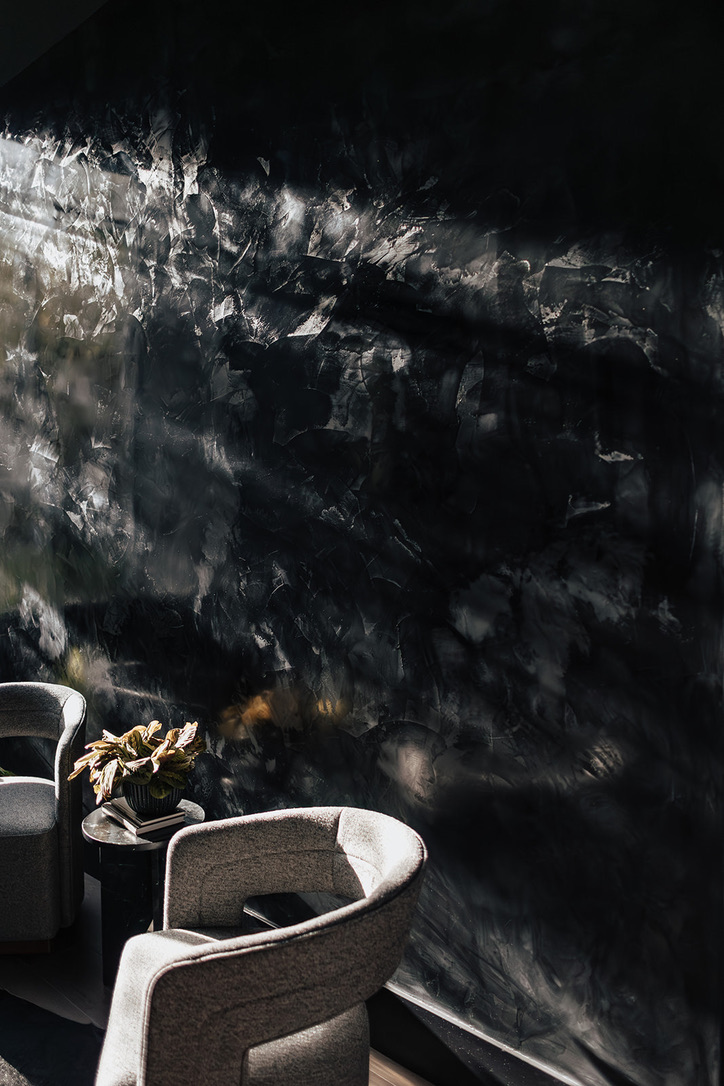
Grassello
Smooth and shiny, like polished marble.
Fine lime and marble putty burnished to a reflective sheen. Light moves across it, so the wall changes through the day. Best on flat, well prepped surfaces where the shine can read cleanly.
- Best for
- Feature walls, powder rooms, entries, panels
- Sheen
- Satin to high polish
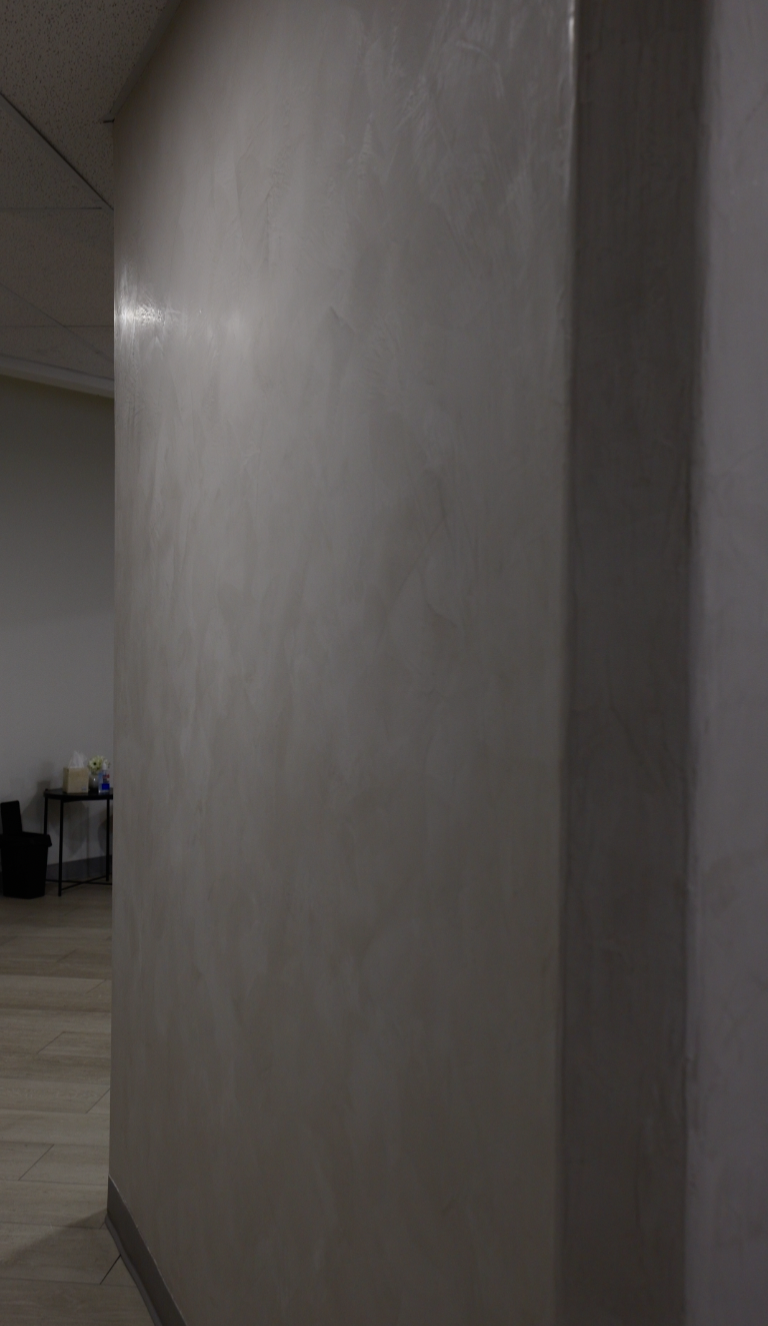
Marmorino
Soft and earthy, with gentle movement.
A coarser marble aggregate that keeps a matte, mineral surface with quiet cloud movement. The most forgiving of the three and the easiest to live with in large open spaces.
- Best for
- Great rooms, bedrooms, hallways, whole home applications
- Sheen
- Matte to soft satin
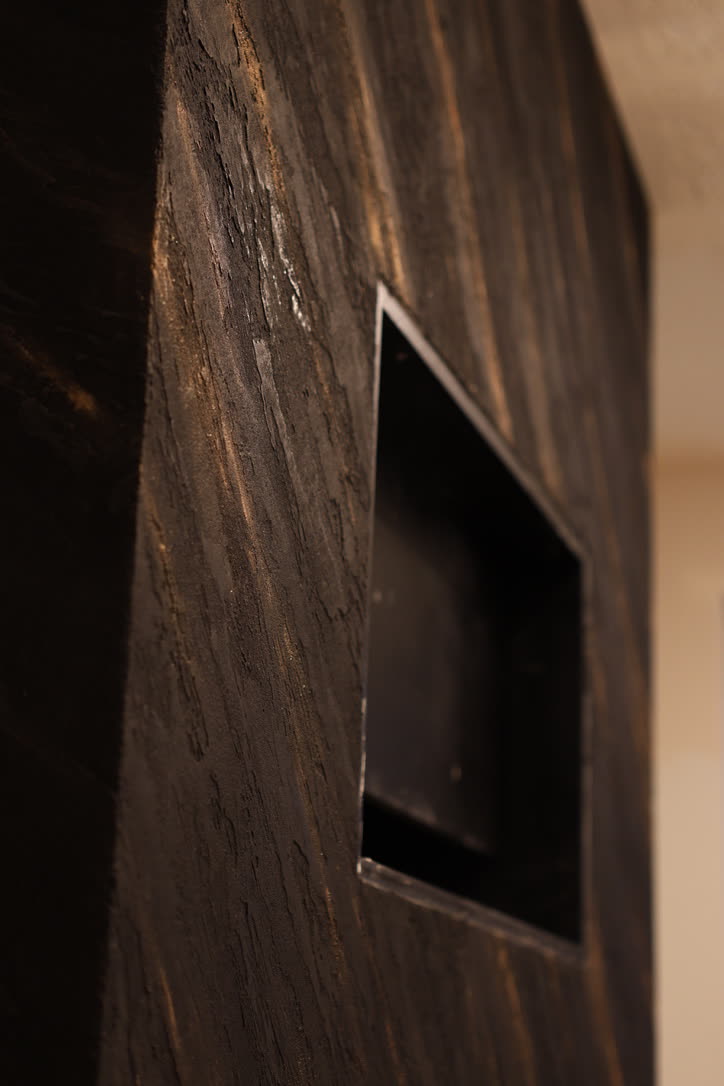
Stone Plaster
Thick and rough, like carved stone.
Heavy body plaster built in relief so the wall reads as cut stone or rock. Depth comes from the trowel work, not from color, so it holds up beautifully in raking light.
- Best for
- Fireplaces, range hoods, media walls, exterior accents
- Sheen
- Matte, textured
Where we use it
- Range hoods
- Ceilings and domes
- Fireplaces
- Powder bathrooms
- Primary bedrooms
- Media and feature walls
Why it reads as luxury
Some finishes try to copy the look with thin coatings. Real Venetian plaster is mineral. It cures harder every year, takes a polish that paint cannot imitate, and can be repaired by hand decades later. Copies flatten out and wear through.
Plaster is not only for walls. A hand plastered ceiling adds a soft glow and warm texture above the whole room, which is usually the detail guests notice without being able to name.
Part Two · Wet Area Applications
Tadelakt vs. Microcement
Showers and tubs need a tough, waterproof surface. Standard Venetian plaster is not made for standing water, so wet rooms get tadelakt or microcement instead, always over a proper waterproofing assembly.
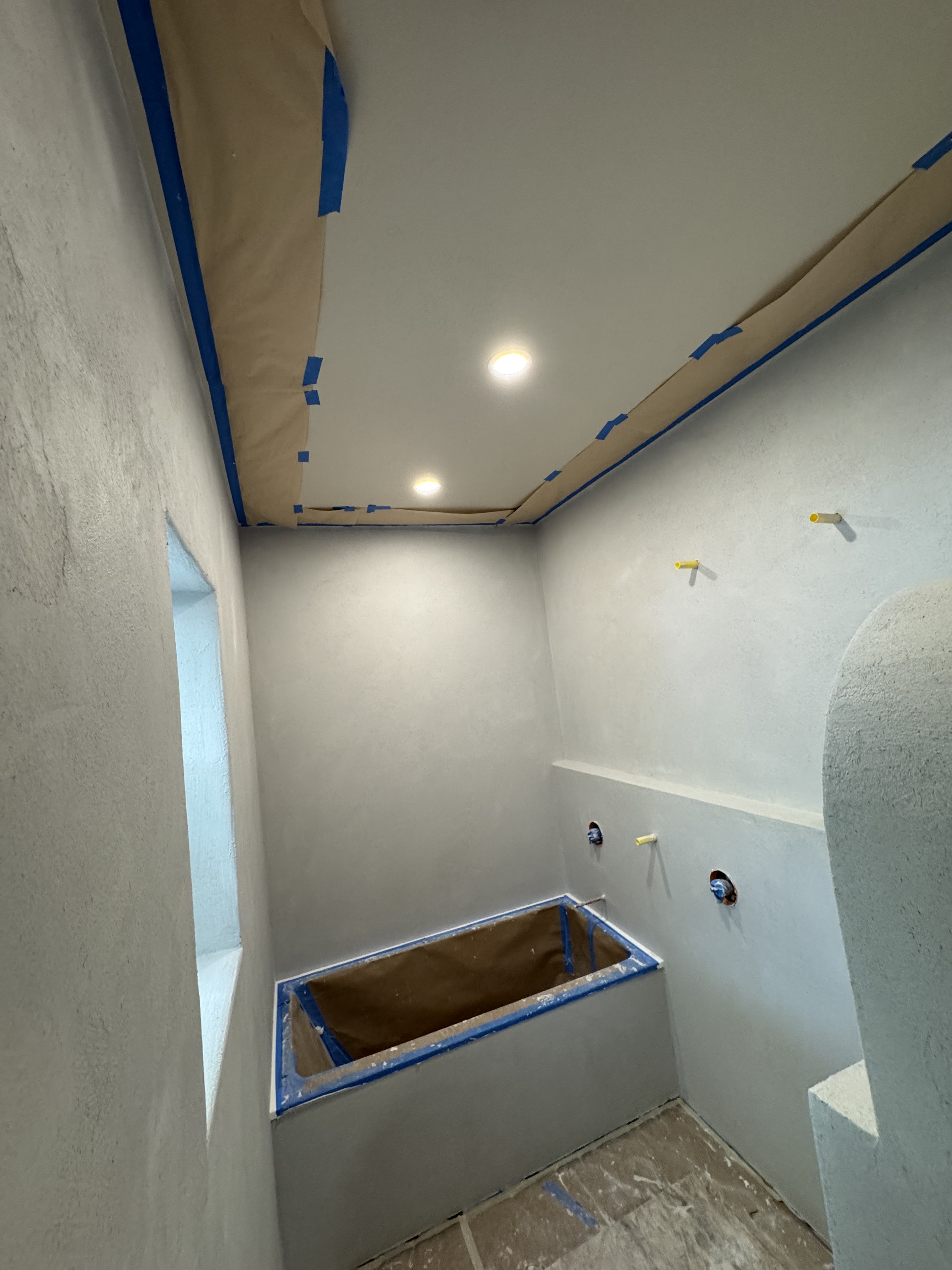
Tadelakt
Hand polished lime plaster
Strengths
- · Smoothed by hand
- · Waterproof once sealed with soap
- · Old world, hand carved character
Trade offs
- · Takes more time to install
- · Needs care and resealing over time
- · Scratches easier
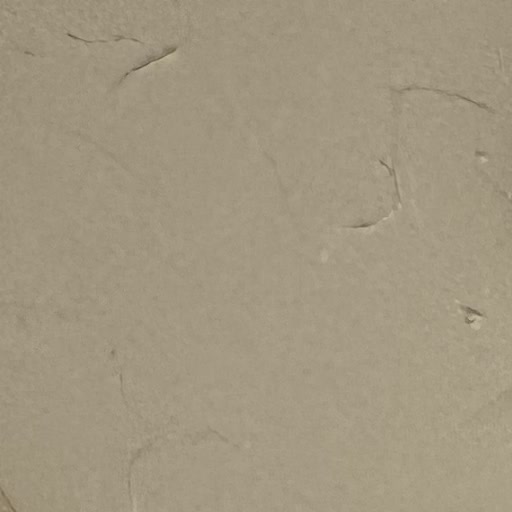
Microcement
SEAMLESS OVERLAY
Strengths
- · Very strong and hard to scratch
- · No seams and no grout lines
- · Easy to clean, lasts a long time
Trade offs
- · Needs a sealed topcoat
- · Slightly less hand carved look
A VVS recommendation
Both look beautiful. For wet rooms we usually pick microcement, because it holds up best to daily showers and family life with less upkeep. Tadelakt is the choice when the hand finished, old world look matters more than maintenance.
Part Three · Designer Artwork & Custom Finishes
Artisans over applicators.
For designers who want custom pieces that separate their homes from basic. These are drawn and pulled by hand, one surface at a time, matched to the stone and lighting in the room.
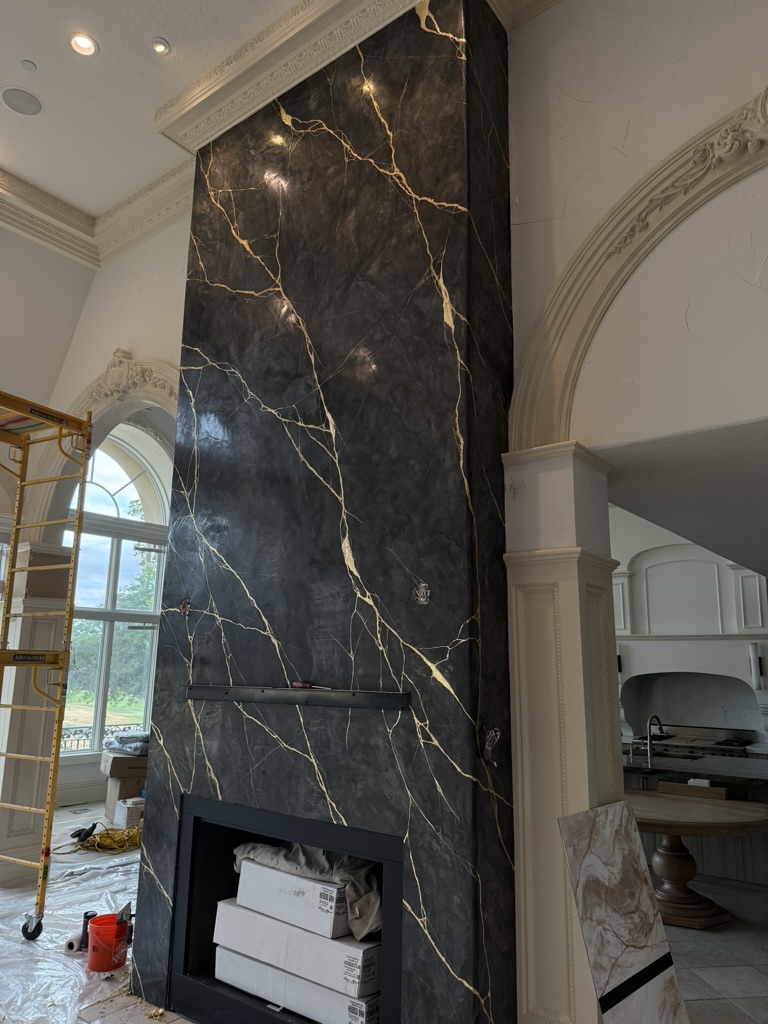
Fireplace Surrounds
Hand pulled stone and marble veining, matched to a real slab and carried around every return.
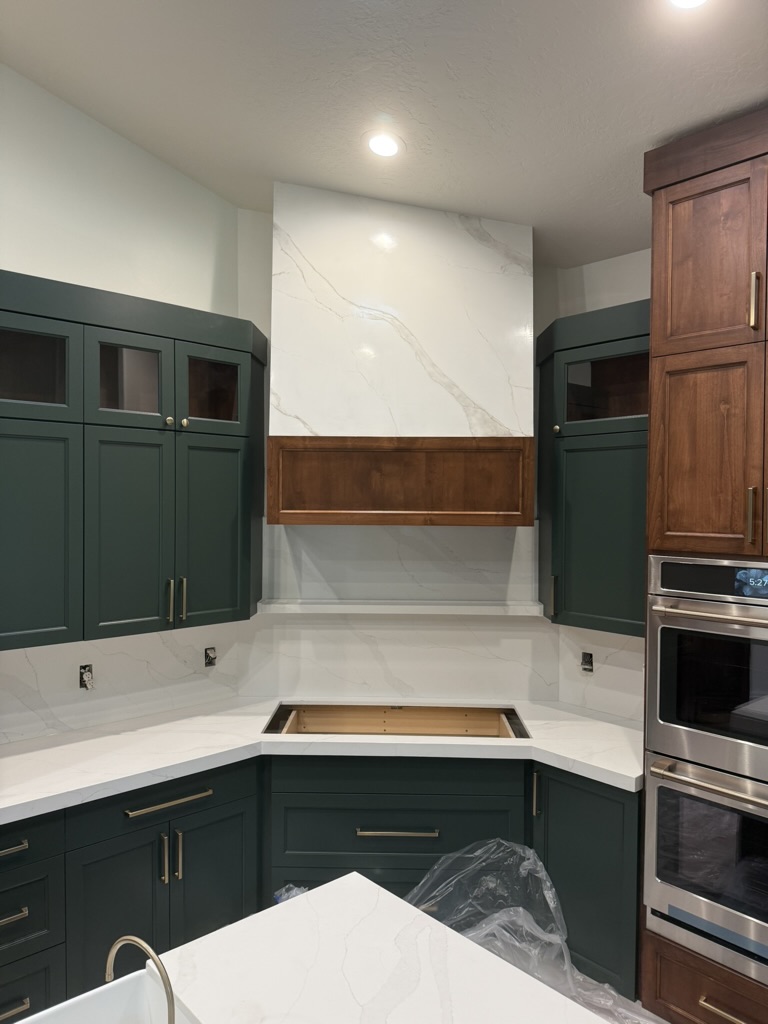
Range Hoods
Hand plastered marble made to read as quarried stone, with no seams and no visible substrate.
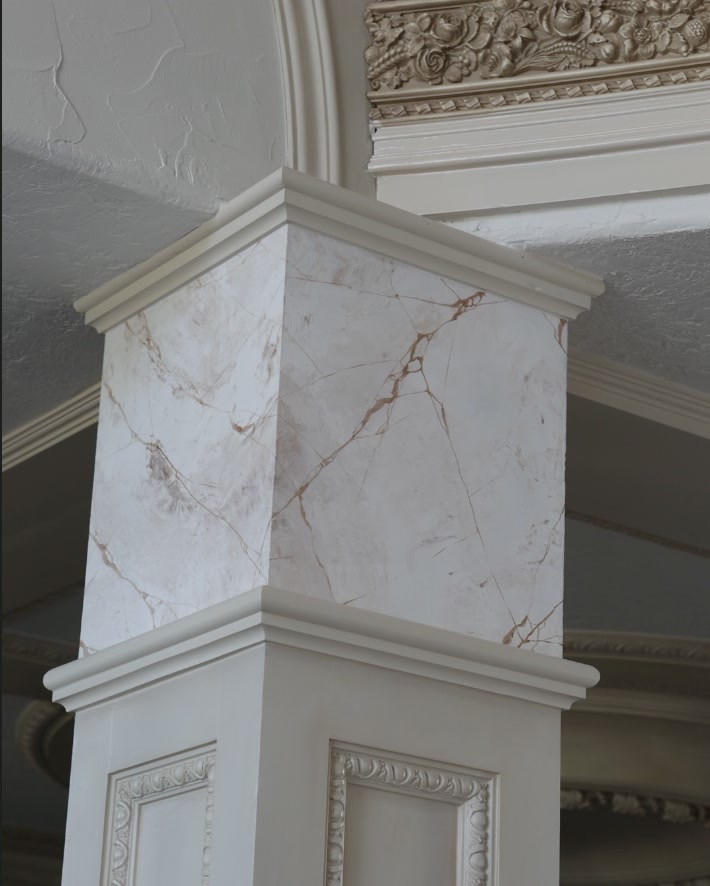
Columns & Trim
Veining wrapped and aligned on every side so the piece reads correctly from any approach.
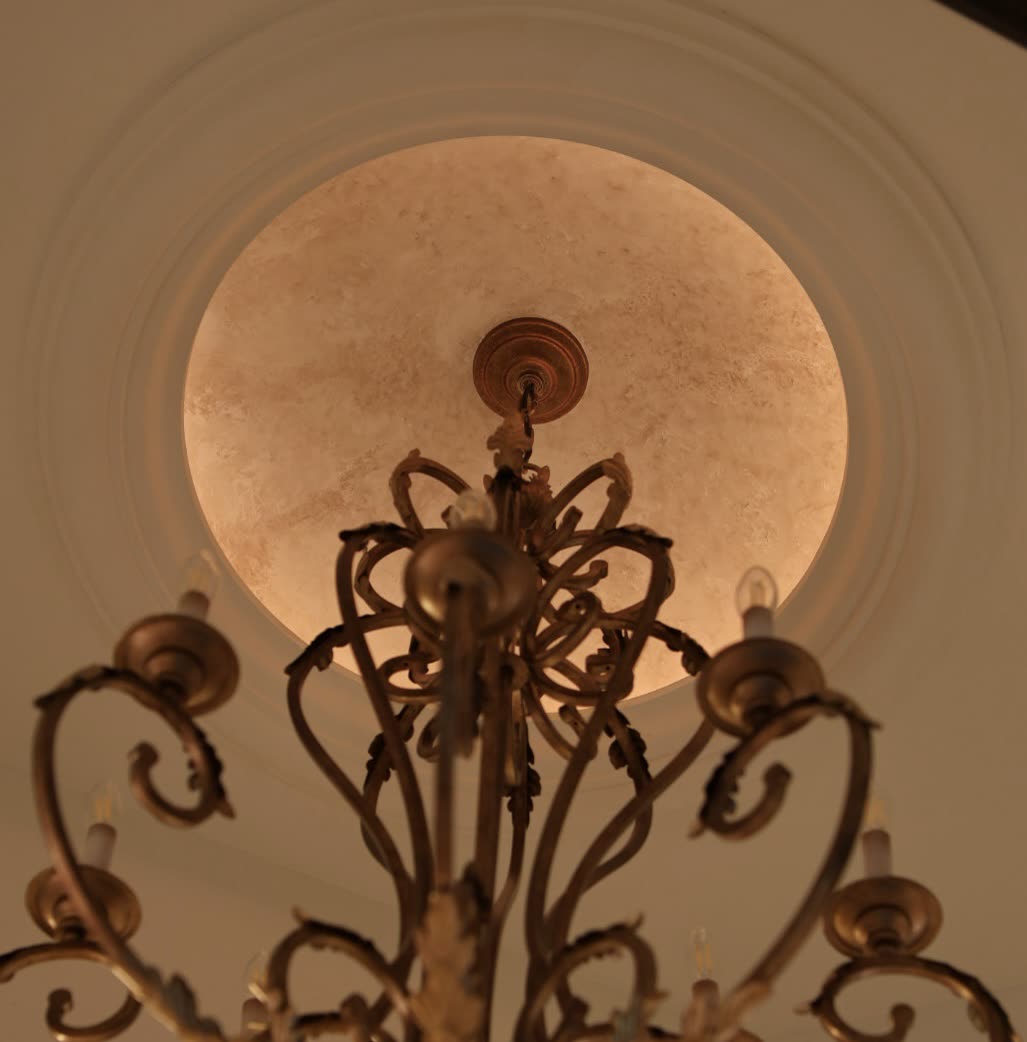
Ceiling Domes
Warm, glowing hand finished plaster that turns a ceiling into the quietest luxury in the room.
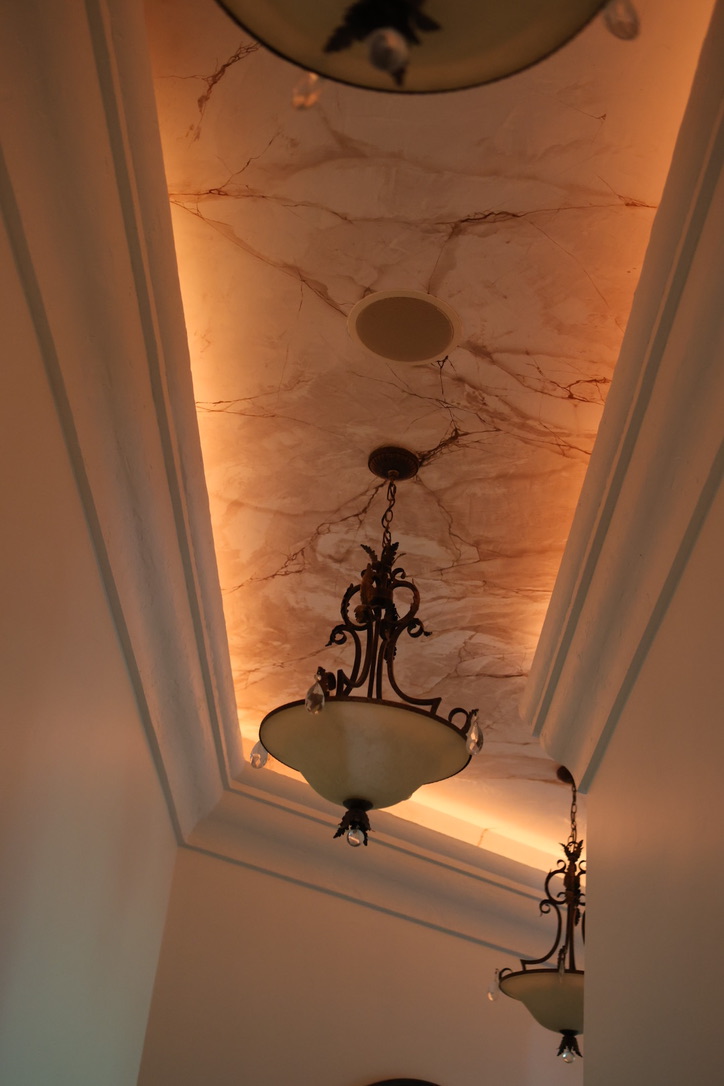
Plaster Ceilings
Coffer and field work layered by hand,
Part Three · Limewash
Limewash, the budget friendly option.
Limewash is a mineral paint made from slaked lime and water. It is the most affordable way to get a real hand applied, Old World look on a wall. It does not have the depth, polish, or durability of a full Venetian plaster system, but it is a finish we can still offer and install when the budget needs to land somewhere softer.
Pros
- · Lowest cost entry point into a mineral, hand finished wall.
- · Soft, matte, slightly clouded look that reads warm and casual.
- · Naturally breathable and mold resistant, friendly to older homes.
- · Quick to apply and easy to touch up or refresh later.
- · Eco friendly, made from simple natural ingredients.
Cons
- · No burnish or sheen, the wall stays flat and chalky.
- · Thin and translucent, so it cannot build texture or depth.
- · Less durable than plaster, easily marked in busy spaces.
- · Not waterproof, so it does not belong in showers or wet rooms.
- · Results depend heavily on the applicator, patchiness is common.
A VVS recommendation
Limewash works best in low traffic rooms where a soft matte look fits the design: hallways, guest suites, dining rooms, or a budget conscious feature wall. If the surface gets touched, splashed, or shown off up close, a true Venetian plaster is the better long term investment.
Part Four · How It Is Built
Done the traditional way.
- 01
Sample
We build physical samples in your lighting before anything goes on the wall.
- 02
Prep
Substrate repair, then a mineral primer that lets lime bond and cure like stone.
- 03
Body coats
Two hand troweled coats build the movement, depth and color field.
- 04
Burnish
Steel troweling compresses the surface to raise sheen and harden the face.
- 05
Protect
Natural wax on dry walls, soap or sealer in wet rooms, matched to the finish.
Part Five · Living With Plaster
Care and longevity
- Cleaning
- Soft cloth with warm water. Blot rather than scrub.
- Avoid
- Vinegar, bleach, citrus and abrasive pads. Lime is mineral and acids etch it.
- Wet rooms
- Squeegee the walls and let them dry. Reseal tadelakt every few years. Magic eraser works great for Microcement.
- Repairs
- You can blend plaster areas by hand using proper technique, but sometimes requires more repair work depending on sealers, age, etc.
Questions We Get Most
Is this the same as Roman clay or a painted look?
No. Those are thin coatings that imitate the effect. Real Venetian plaster is marble and lime, it carbonates and keeps getting harder for years, and it does not wear thin like a paint film.
Can plaster go in a shower?
Standard Venetian plaster is not made for constant water. Wet rooms get tadelakt or microcement over a proper waterproofing assembly.
How long does an install take?
Most feature surfaces are two to four days including cure time. Full homes and tadelakt wet rooms take longer and are scheduled around the trade sequence.
Will it crack?
Plaster moves with the structure. We prep, reinforce and detail transitions so hairlines are avoided, and anything that appears in the first year is repaired.
Can you match a stone slab or a designer sample?
Yes. Send the slab photo or the sample and we build to it, including vein direction and background tone.
Send us the room and we'll tell you which finish fits.
A photo or a plan is enough. We will come back with the finish, the sheen, and what it takes to install it.
Text us about your project